
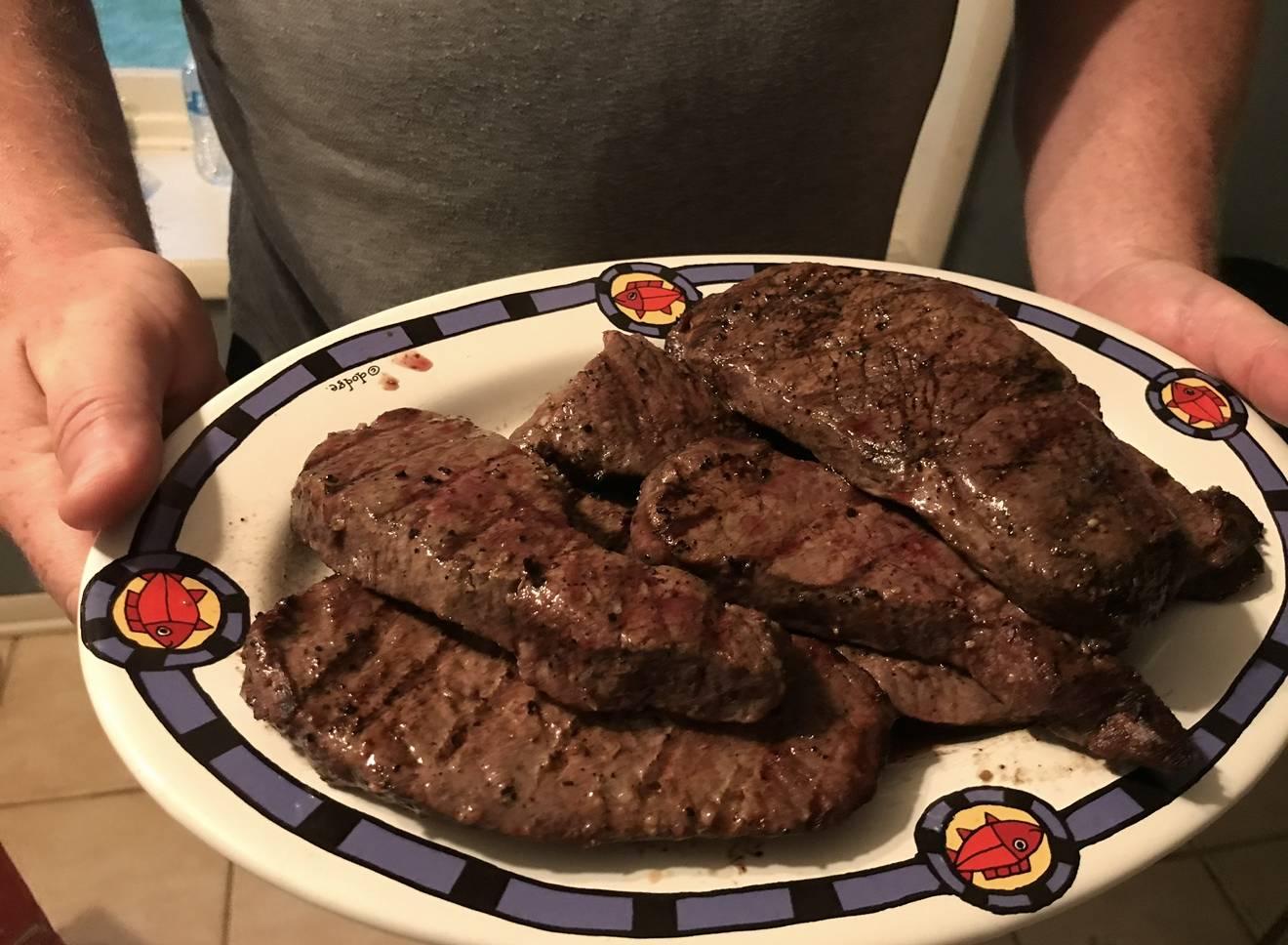
For many hunters, harvesting a Maryland sika deer is the culmination of a hunt they may have dreamed about for years. Sika deer are challenging to hunt, live in some of the toughest marsh country on the Eastern Shore, and have earned their nickname—the “Marsh Ghost”—for good reason.
However, the experience should not end when the animal is recovered and tagged.
One of the greatest rewards of a successful sika hunt is bringing home some of the finest wild game meat you will ever eat. Hunters regularly ask us what sika deer tastes like, whether it should be prepared differently from whitetail venison, and which cuts are best for steaks, roasts, burgers, sausage or jerky.
The short answer is that sika venison is outstanding—but because it is so lean, it needs to be handled and cooked correctly.
In this guide, I will explain how we approach sika venison, which cooking methods work best for the different cuts, and how to avoid the mistakes that can turn a great piece of wild game into a dry, tough meal.

What Does Sika Deer Meat Taste Like?
Sika venison has a rich but surprisingly mild flavor. Many hunters who have eaten both sika deer and whitetail describe sika as slightly sweeter, more tender and less “gamey,” although much of the final flavor depends on how the animal was handled, processed and cooked.
Sika deer live primarily in the marshes, forested wetlands and agricultural edges of Maryland’s Lower Eastern Shore. Maryland’s sika population is concentrated largely in Dorchester County and on Assateague Island, with animals also appearing in some surrounding counties.
Their habitat and diet help give the experience—and the meat—a distinctly Eastern Shore character.
Sika venison is dark, fine-grained and extremely lean. That lack of fat is one of its greatest advantages, but it is also the reason cooks sometimes struggle with it. Fat adds moisture and provides a margin for error when cooking domestic meat. With sika deer, there is very little margin for error.
Cook a tender cut correctly and it can be exceptional. Cook it too long and it can quickly become dry and tough.
Great Sika Venison Begins in the Field
Before discussing marinades, seasonings or cooking methods, we need to begin with the way the animal is handled after the harvest.
No recipe can completely overcome meat that was not recovered, cleaned and cooled properly.
After a successful shot, hunters should make every reasonable effort to recover the animal quickly. Once recovered, the deer should be field dressed and cooled as soon as conditions allow. Warm temperatures make prompt cooling especially important during Maryland’s early archery season.
At Nanticoke Outfitters, our guides assist hunters after the shot, help with the recovery and bring harvested deer out of the marsh. We also provide access to a deer station and cooler so the animal can be handled properly before the hunter heads home or takes it to a processor.
Good table fare begins with good field care.

Remove Fat, Silver Skin and Connective Tissue
When preparing sika venison, take the time to trim the meat carefully.
Unlike beef fat, deer fat can have a waxy texture and a stronger flavor. I recommend removing as much exterior fat as reasonably possible. You should also remove silver skin, heavy connective tissue, bloodshot meat and any debris left from processing.
Silver skin does not break down when a tender cut is cooked quickly. If it is left on a backstrap or tenderloin, it can contract during cooking and make the meat seem tougher than it really is.
Some connective tissue is perfectly acceptable in cuts that will be braised or slow-cooked. In fact, long, moist cooking can transform collagen-rich shanks, neck meat and shoulders into deeply flavored, tender meals. The key is matching the cut to the right cooking method.
Match the Cooking Method to the Cut
One of the biggest mistakes people make with venison is treating every package of deer meat the same way.
A tender backstrap should not be cooked like a neck roast, and a shoulder should not be expected to become tender after a few minutes on the grill. Every part of the animal has a best use.

Understanding this one principle will improve almost every sika venison meal you prepare.
How to Cook Sika Deer Backstrap
The backstrap runs along the outside of the spine and is one of the most prized cuts on the animal. It is naturally tender and should generally be cooked quickly over relatively high heat.
You can cut a backstrap into individual steaks, but I often prefer cooking a larger section whole and slicing it after it rests. A larger piece is easier to control and less likely to overcook than several thin steaks.
A simple preparation is often the best:
- Remove all silver skin.
- Pat the meat dry.
- Lightly coat it with oil.
- Season it with salt, black pepper and garlic.
- Sear or grill it over high heat.
- Check the center with a reliable meat thermometer.
- Allow it to rest before slicing across the grain.
Do not keep cutting into the meat to determine whether it is finished. Every cut allows moisture to escape and still does not give you an accurate internal temperature.
A thermometer is one of the most useful tools you can have when cooking venison.
How to Cook Sika Deer Tenderloin
The tenderloins are the small, exceptionally tender muscles located inside the body cavity. Because they are much smaller than the backstraps, they cook very quickly.
Tenderloins are excellent when seasoned simply, seared in a hot cast-iron skillet and finished with butter, garlic and fresh herbs. They can also be cut into medallions, wrapped with bacon or grilled on skewers.
The most important rule is to stay close to the pan or grill. A small sika tenderloin can move from properly cooked to overcooked in a matter of minutes.
Maryland DNR’s featured sika tenderloin recipe uses a hot pan, oil, butter, thyme and rosemary, demonstrating how little is required when starting with a quality cut of meat. Maryland DNR Sika Tenderloin Recipe
How to Cook Sika Deer Roasts
A package marked “sika roast” could come from several parts of the animal, and the location of the cut should determine how it is prepared.
A clean hindquarter roast can be smoked, roasted or cut into steaks and jerky. A shoulder or neck roast will usually benefit from low, moist heat.
For tougher roasts, use a Dutch oven, slow cooker or covered roasting pan. Add stock, onions, garlic, vegetables and herbs, and allow the meat to cook slowly until the connective tissue breaks down.
Do not judge a slow-cooked roast only by internal temperature. These cuts become tender with time. If the roast has reached a safe temperature but remains tough, it probably needs to cook longer.
A properly braised shoulder or neck roast should pull apart easily with a fork.
Cooking Ground Sika Venison
Ground sika is one of the most versatile items in the freezer. It can be used for:
- Chili
- Burgers
- Meatballs
- Tacos
- Spaghetti sauce
- Cheesesteaks
- Breakfast sausage
- Meatloaf
- Enchiladas
- Stuffed peppers
Because sika is so lean, ground meat may need additional fat depending on the recipe. Chili, tacos and pasta sauce contain other sources of moisture, so straight ground venison generally works well.
Burgers and meatloaf are different. Adding pork fat, bacon, pork shoulder or another source of fat can improve moisture, texture and flavor. The amount is a matter of personal preference and may already have been determined by your processor.
Before adding anything, check the package or ask the processor whether fat was included during grinding.
Ground venison should be cooked to an internal temperature of 160°F. Use a thermometer instead of relying on color alone. USDA notes that color is not a dependable way to determine whether ground meat has reached a safe temperature. USDA Safe Minimum Internal Temperatures
The Best Ways to Use Sika Hindquarters
The hindquarters provide some of the largest and most useful cuts on a sika deer. Instead of treating the entire hindquarter as one large roast, it can be separated along its natural muscle groups.
Those individual muscles can be used for:
- Steaks
- Roasts
- Jerky
- Schnitzel
- Stir-fry
- Cheesesteaks
- Fajitas
- Kebabs
- Corned venison
The cleaner muscles can be sliced into steaks or cooked as small roasts. Sections with more connective tissue can be cubed for stew or ground.
Hindquarter meat is also one of the best choices for jerky because it can be trimmed cleanly and sliced into consistent pieces. Partially freezing the meat before slicing makes it much easier to produce uniform strips.
When making jerky at home, food safety deserves special attention. USDA recommends heating meat to 160°F before dehydrating it. USDA Jerky Safety Guidance
Do Sika Deer Shanks Belong in the Grinder?
Many hunters automatically grind the shanks because they contain so much connective tissue. That works, but it also misses an opportunity to create one of the richest meals available from a deer.
Sika shanks are ideal for braising.
When cooked slowly with stock, wine, vegetables and herbs, the connective tissue gradually breaks down and adds body to the cooking liquid. The result can be used for osso buco, shredded venison, stew or a rich pasta sauce.
This is an important part of respecting the harvest. Some of the cuts that initially look the least desirable can become the most flavorful when given enough time.
Should You Marinate Sika Venison?
You can marinate sika venison, but you do not have to hide its natural flavor.
For tender cuts, a light marinade can add flavor and protect the surface without overpowering the meat. Olive oil, Worcestershire sauce, garlic, herbs, black pepper and a small amount of acid make a useful starting point.
Avoid soaking a quality backstrap in an extremely strong marinade simply because someone told you all deer meat tastes gamey. Properly handled sika venison should not require disguising.
Marinades are especially useful for:
- Thin steaks
- Kebabs
- Stir-fry
- Jerky
- Fajitas
- Cheesesteak meat
For a backstrap or tenderloin, salt, pepper, butter, garlic and fresh herbs may be all you need.

Why Sika Venison Becomes Dry
Venison usually becomes dry for one of three reasons:
- The wrong cooking method was used for the cut.
- The meat was cooked too long.
- No additional moisture or fat was used where it was needed.
Tender cuts need quick cooking and careful temperature control. Tough cuts need moisture and time. Ground venison may need supplemental fat depending on how it will be used.
It is not that sika deer is difficult to cook. It simply does not forgive mistakes as readily as fattier domestic meat.
Safe Cooking Temperatures for Venison
Wild-game cooking advice often varies, particularly for whole tender cuts. For a conservative food-safety approach, USDA recommends cooking whole steaks, chops and roasts to at least 145°F, followed by a three-minute rest, and ground meat to 160°F.

Always use a clean food thermometer inserted into the thickest part of the meat. These recommendations are especially important when serving children, older adults, pregnant women or anyone with a compromised immune system.
Should You Add Fat to Sika Venison?
It depends on what you are making.
Backstrap, tenderloin and steaks do not need fat ground into them. They may benefit from butter, oil or bacon during cooking, but their natural texture should be allowed to shine.
Ground venison intended for burgers or sausage often benefits from added fat. Pork fat is commonly used because its relatively mild flavor complements venison. Bacon can add both fat and smoke, although it will change the flavor more noticeably.
For chili, tacos, spaghetti sauce and similar dishes, additional fat may not be necessary.
The goal is not to make sika taste like beef. The goal is to give the chosen recipe the moisture and texture it needs.
Let the Meat Rest Before Slicing
Resting is a simple step that makes a noticeable difference.
After removing a backstrap, tenderloin or steak from the heat, place it on a clean plate or cutting board and allow it to rest before slicing. Resting gives the temperature time to equalize and helps retain more moisture.
Small cuts may need only a few minutes. Larger loins and roasts need longer.
Once rested, slice the meat across the grain. Shortening the muscle fibers makes each bite easier to chew and can make even a fairly lean cut feel more tender.
Freezing and Thawing Sika Venison
Proper packaging protects both flavor and texture.
Vacuum sealing is one of the best ways to store sika venison because it reduces exposure to air and helps prevent freezer burn. Label every package with the cut and date. “Sika backstrap—October 2026” is far more useful six months later than a mystery package marked only “deer.”
Thaw venison in the refrigerator rather than leaving it on the counter. If you need it sooner, use an appropriate cold-water or microwave thawing method and cook it promptly.
Organizing the freezer by cut also helps ensure that the best pieces are used properly rather than accidentally being turned into stew or ground meat.
Our Favorite Ways to Prepare Sika Deer
As we build the Nanticoke Outfitters wild-game recipe collection, we will be adding complete instructions for dishes such as:
- Grilled sika deer backstrap
- Cast-iron sika tenderloin
- Eastern Shore sika chili
- Smoked sika hindquarter
- Slow-cooked sika roast
- Sika deer cheesesteaks
- Sika burgers
- Homemade sika jerky
- Sika breakfast sausage
- Braised sika shanks
- Sika meatballs and pasta sauce
Each recipe will explain which cut to use, how to prepare it and how to avoid drying it out.
This guide will serve as the starting point, while the individual recipes will provide exact ingredients, cooking times and step-by-step instructions.
From the Marsh to the Table
A sika deer hunt is about much more than antlers or filling a tag. It is about the early mornings, the marsh, the eerie whistle of a stag, the challenge of recovering an animal in difficult country and the people who share the experience with you.
The meals that follow are part of that story.
When a hunter brings home sika venison and shares it with family or friends, the harvest continues to provide value long after the hunt is over. Preparing it well is one of the best ways to respect both the animal and the experience.
If you have never hunted the Marsh Ghost, learn more about our guided Maryland sika deer hunts. Nanticoke Outfitters manages six sika deer properties in Dorchester County, with over 50 stand locations that allow us to rotate hunting pressure and select stands based on current conditions.
Our guides assist throughout the hunt—from helping hunters get safely into their stands to recovery and handling after a successful shot.
Come experience Maryland’s sika country, and hopefully return home with memories, stories and some of the finest wild game meat the Eastern Shore has to offer.
About the Author

David Fletcher is the owner of Nanticoke Outfitters and has spent decades hunting, fishing and guiding on Maryland’s Eastern Shore. Nanticoke Outfitters offers guided sika deer, turkey and waterfowl hunts, with a strong emphasis on responsible property management, quality hunting experiences and respect for the game being pursued.