
Can Sika Deer get chronic Wasting Disease like whitetail deer do? This is another one of those questions that I get asked quite a bit by our hunters so I thought I would share what I have learned in doing my own personal research and from what I have learned from the National Deer Association.
As hunters and land managers, we all share a common responsibility — to protect the health of the deer herds we pursue. For Maryland hunters, that responsibility has grown in recent years with the spread of Chronic Wasting Disease (CWD) among whitetail deer in parts of the state. While this fatal disease has now reached some areas the Lower Eastern Shore, many hunters ask me the same question each fall:
Can sika deer get CWD?
The short answer is yes — they can. But let’s break down exactly what that means, how the disease works, and what we can do as hunters to keep it from ever threatening our unique sika population.

What Exactly Is Chronic Wasting Disease?
CWD is a neurological disease that affects members of the cervid family — which includes whitetail deer, mule deer, elk, moose, red deer, and sika deer. It’s caused not by a virus or bacteria, but by a misfolded protein called a prion.
When these abnormal prions enter a deer’s body — through contact with infected saliva, urine, feces, or contaminated soil — they begin to attack the animal’s nervous system. Over time, the prions cause microscopic holes in the brain tissue, leading to severe weight loss (“wasting”), loss of coordination, drooling, listlessness, and eventually death.
There’s no cure, no vaccine, and once an environment becomes contaminated, the prions can persist in the soil for years — even decades.
Yes, Sika Deer Are Susceptible
Sika deer (Cervus nippon) belong to the same family as whitetails, and genetically, their prion proteins are close enough in structure that CWD can infect them.
Before you attack me and say they belong to the Elk family, from a scientific standpoint, here’s how it works. Although they are in the same family, they are in different subfamilies, with sika deer belonging to the “Old World deer” subfamily and white-tailed deer belonging to the “New World deer” subfamily.
- Subfamilies:
- Sika deer: Are in the genus Cervus, which is part of the subfamily Cervinae (Old World deer). Other deer in this group include red deer and elk (wapiti).
- White-tailed deer: Are in the subfamily Capreolinae (New World deer). Other deer in this group include moose and caribou.
Research from Europe and Asia — where sika deer are native or have been introduced — has confirmed that they can contract CWD under controlled exposure. In some studies, infected sika deer not only developed the disease but also shed infectious prions, meaning they could spread it to other deer.
The takeaway? Sika deer are not immune, even if the disease has not been detected in their wild populations in Maryland.
The Situation in Maryland
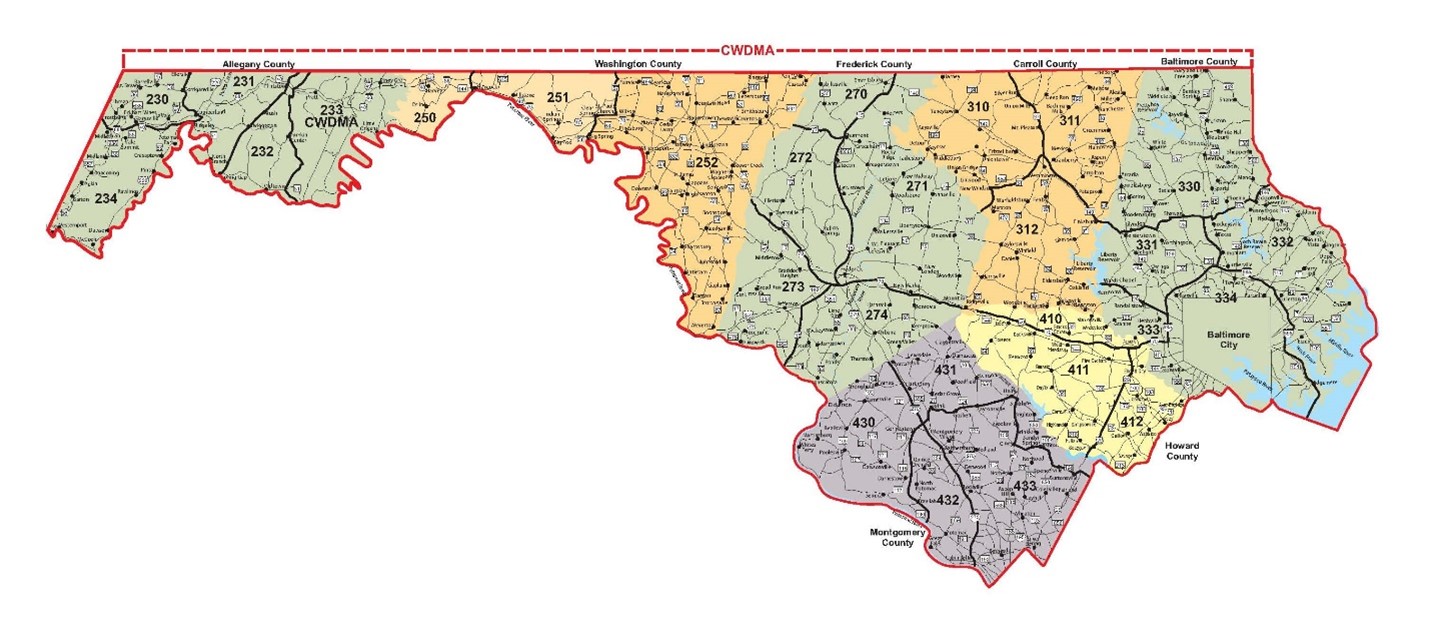
Here in Maryland, CWD has been confirmed in the western portion of the state, primarily in Allegany County and neighboring regions that border West Virginia and Pennsylvania. There has been a few, small areas of potential outbreaks on the Eastern Shore of MD. These are areas where whitetail deer are the dominant species, and the disease has slowly expanded within those herds.
On the Lower Eastern Shore, our herd is very different. Sika deer dominate the marshes and woodlands of Dorchester, Wicomico, Somerset, and Worcester Counties, with a mix of whitetail populations in between. So far, there have been no confirmed cases of CWD in sika deer anywhere in Maryland.
However, as the disease continues to spread across North America, wildlife agencies know it’s not a question of if CWD can reach new areas — but when. Because sika deer share habitat and occasionally overlap with whitetails, it’s realistic to assume that if CWD ever arrives on the Shore, sika could be at risk too.
Why CWD Spreads So Easily
The biggest challenge with CWD is that infected deer can look completely healthy for months or even years before showing symptoms. During that time, they may be shedding infectious material into their environment — contaminating soil, plants, and water sources that other deer will use.
Even after an infected deer dies, the prions remain in the soil and vegetation around the carcass. That’s why once an area becomes “hot,” it’s nearly impossible to clean up.
Prions are tough. They resist freezing, sunlight, and even common disinfectants. This is why the disease continues to move slowly but steadily across state lines. Every carcass, every gut pile, and every set of antlers moved from one region to another can play a part in its spread.
What Hunters Can Do to Help
While there’s no cure for CWD, hunters have an incredibly important role in keeping it contained. Whether you’re hunting whitetail in western Maryland or sika in the marshes of Dorchester County, here are some smart steps to follow:
- Know the CWD zones.
The Maryland DNR publishes a map each year showing areas where CWD has been detected. Hunters in those zones face special regulations about carcass movement and disposal. Stay informed before you travel. - Don’t move whole carcasses.
The most infectious parts of a deer — brain, spinal cord, eyes, tonsils, and lymph nodes — should never leave the area where the animal was harvested. If you’re transporting meat home, make sure it’s boned out and free of high-risk tissues. - Report and test when asked.
If DNR requests samples from harvested deer for surveillance, take a few extra minutes to participate. Every test helps the state track and contain the disease. - Use local processors and taxidermists.
If you hunt outside your home area, use professionals in the county of harvest rather than hauling carcasses across the state. - Clean gear between hunts.
Equipment used to field dress, drag, or process deer can carry prions. Wash and disinfect tools and boots before heading to another hunting location.
Why It Matters to the Eastern Shore
Our sika herd is something special. These deer were originally brought from Japan to the Eastern Shore in the early 1900s and have thrived ever since — adapting perfectly to the marshlands and becoming one of Maryland’s most sought-after big game animals.
Losing them to disease would be devastating, not only to hunters but to the local ecosystem and economy. By taking CWD prevention seriously now, we can help protect this herd for generations to come.
Outfitters, landowners, and hunters all share the same stake in this: healthy deer populations mean sustainable hunting, balanced ecosystems, and thriving outdoor traditions.
The Bottom Line
Yes, sika deer can contract Chronic Wasting Disease.
So far, Maryland’s wild sika herd has remained disease-free — but that’s thanks to awareness, careful management, and responsible hunters who follow the rules.
If you’re hunting with us here at Nanticoke Outfitters, know that we’re staying proactive. We monitor updates from the Maryland DNR, follow safe carcass handling procedures, and educate every guest who hunts with us. Together, we can do our part to keep Maryland’s sika deer herds healthy — from marsh to marsh.
Stay focused, committed, and shoot straight.
— Capt. David Fletcher
Owner, Nanticoke Outfitters