
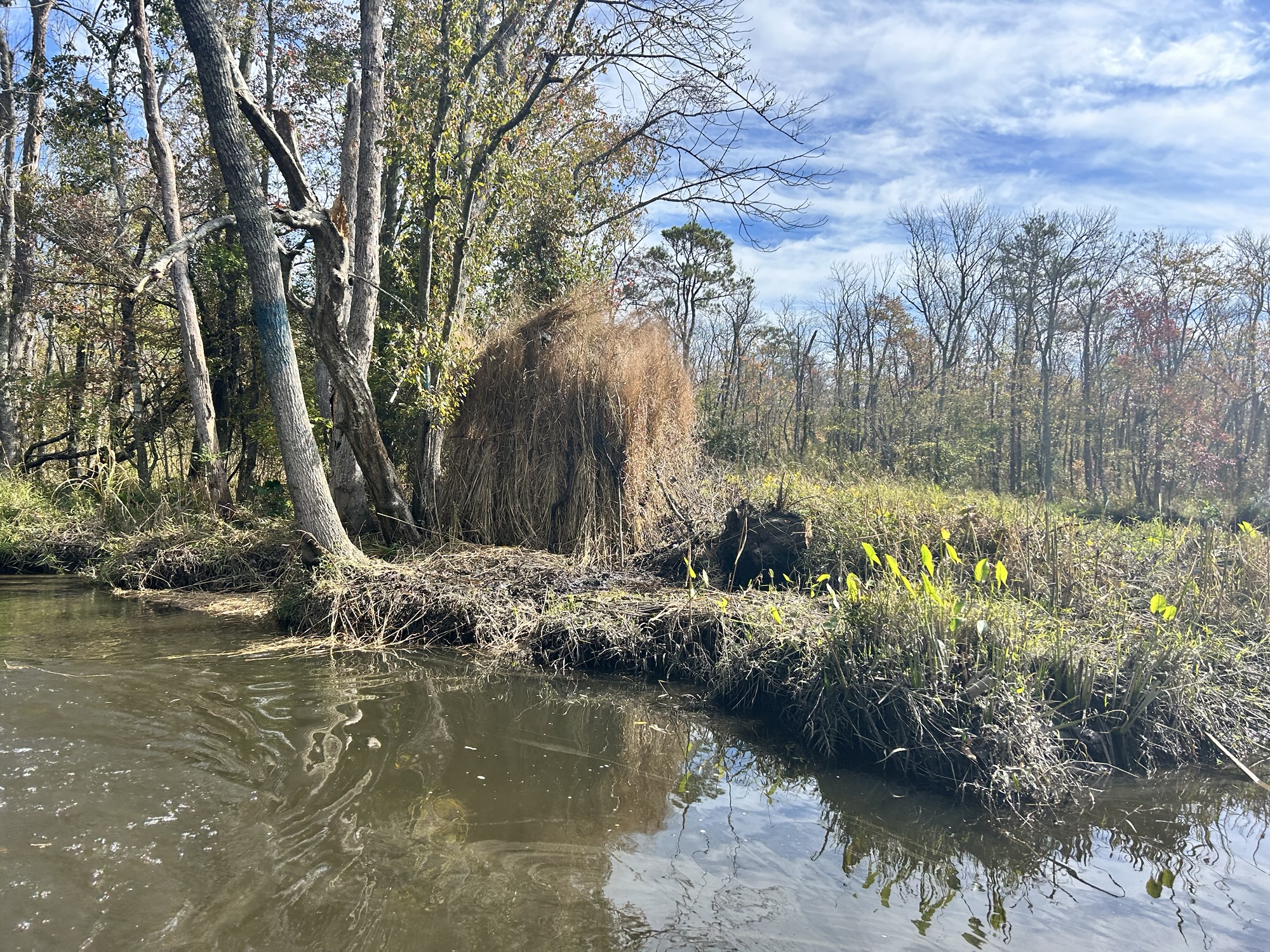
Early Season Duck Hunting in Maryland

A good duck hunt often starts long before anyone steps into a blind. Early season duck hunting in Maryland requires a lot of planning and preparation.
By October, we’ve already spent time looking at water levels, food, cover and access on the private properties we hunt. But having a prepared property and choosing to hunt it are two different decisions. Before the first hunt, I want to know how the birds are actually using it.
Are ducks feeding there or just dropping in to rest? Are they arriving consistently? Can we reach the blind without disturbing them? And if we hunt the property, what will that do to our opportunities later in the season?
Those questions shape our approach to early season duck hunting on Maryland’s Eastern Shore.

We Watch the Birds Before We Make a Plan
It is easy to get excited when ducks show up on a property. One good sighting, though, does not tell us everything we need to know.
We pay attention to when birds arrive, where they want to land, and whether they keep returning. We also watch how conditions change their behavior. A spot that looks promising one day may need more time before it is ready to hunt.
For example, imagine we see a group of ducks use an impoundment on Monday afternoon. It would be tempting to schedule a hunt there immediately. But if they do not return Tuesday, that first visit may have been a stop along their route rather than a pattern. If we see birds returning at a similar time over several days, we have a better reason to plan a hunt—and a better idea of where to set up.
Sometimes the best decision is to leave birds alone. Giving a property another day can tell us whether we’re seeing the beginning of a useful pattern or a brief stop by a few passing ducks.
Water and Food Have to Work Together
Water is a big part of what makes a duck property attractive, but the presence of water alone is not enough. Depth, vegetation, available food and the way birds can approach the area all matter.
Before the season, we inspect the water-control structures and blinds on our properties. As the season approaches, our attention shifts to what the birds are telling us. They may use one section of an impoundment far more than another. They may feed in one area and settle somewhere else.
I want our setup to reflect the way ducks are using the property, rather than where it would be easiest for us to put a blind or spread decoys.

Access Can Affect the Hunt Before Shooting Light
Early Season Duck Hunting in Maryland means a promising location can be spoiled by a noisy approach.
We consider how hunters will get to the blind, where boats or vehicles need to go, and whether our entry might push birds off water we hope to hunt. We also plan for the trip out. Leaving a property carelessly can affect what happens there the next day.
That is one advantage of spending time preparing private ground. We can learn its access routes, maintain blinds and make a plan before hunters arrive. On hunting morning, the goal is to get everyone situated safely while creating as little disturbance as possible.
Early Season Duck Hunting in Maryland: Managing Pressure Across the Season
One of the hardest decisions in waterfowl hunting is knowing when not to hunt a property.
It can be tempting to return to a blind immediately after a good morning. But if birds are using a place consistently, hunting it over and over may change that.
Here is another situation we consider: birds have been using a property consistently, and we have a successful morning there. We could go back to the same blind the next day, but repeated disturbance might cause those ducks to use another area. Depending on what we observe afterward, I may rest that property and hunt a different location. The decision is about getting more from the property over the course of the season, rather than trying to hunt its best spot every chance we get.
We look at recent activity, conditions and the pressure a property has already received before deciding where to go. A private property gives us an opportunity to make those decisions deliberately. We can rest a location, prepare another option and adjust when the birds change their routine. It does not guarantee a limit of ducks. It helps us protect the opportunities the property gives us.

What Hunters Should Expect From an Early Season Hunt
Early Season Duck Hunting in Maryland can change quickly. The birds we observed while scouting may arrive from a different direction, use another part of the property, or simply decide to be somewhere else that morning. Anyone who has spent time in a duck blind knows that a careful plan still has to meet the reality of wild birds.
Our job is to do the work we can control: scout, prepare the blind, plan safe access and choose the property that gives our hunters a good opportunity under the conditions we have.
That work began well before October. Now we get to see how the birds respond—and keep learning from every hunt.
If you have questions about what license you need and what the Maryland Waterfowl regulations look like for this season, you can click here to visit the DNR website.
If you’re interested in a guided waterfowl hunt on Maryland’s Eastern Shore, contact Nanticoke Outfitters to discuss the opportunities we have available this season.
Stay focused, committed, and shoot straight.
— Capt. David Fletcher
Owner, Nanticoke Outfitters
About the Author

Capt. David Fletcher is the owner of Nanticoke Outfitters, where he guides hunters and manages private hunting properties on Maryland’s Lower Eastern Shore. Dave and his team prepare waterfowl habitat, blinds and access routes throughout the year, using what they learn in the field to make hunting decisions as the season unfolds. He has completed the National Deer Association’s Deer Steward Level 1 program.